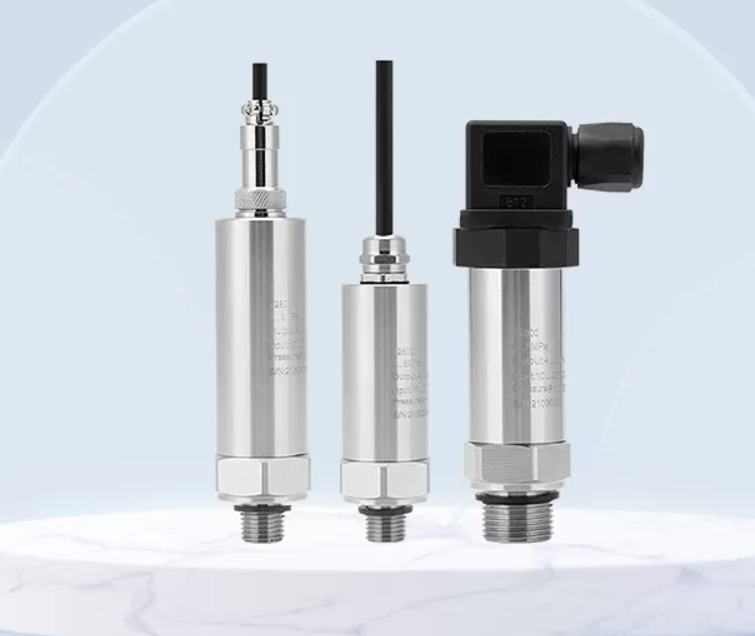
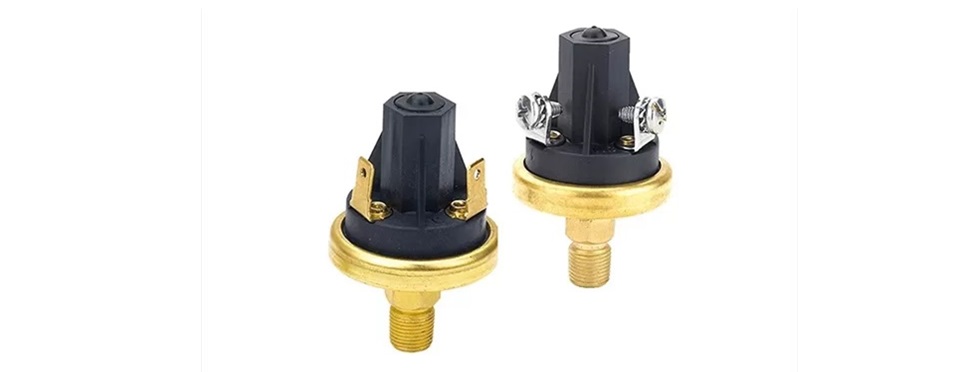
Accurate pressure measurement is foundational to modern automated systems, especially when monitoring air flow, filtration efficiency, or fluid levels. An air differential pressure transmitter plays a pivotal role in achieving reliable data in such systems by measuring the difference in pressure between two points.
Unlike traditional single‑point pressure devices, differential pressure transmitters deliver precise, actionable insights into dynamic pressure variations. The advanced range of differential pressure transmitters available from ANWOLL ensures stable output signals and dependable performance for industrial and HVAC applications, enabling system operators to maintain optimal process control and enhance operational outcomes with confidence.
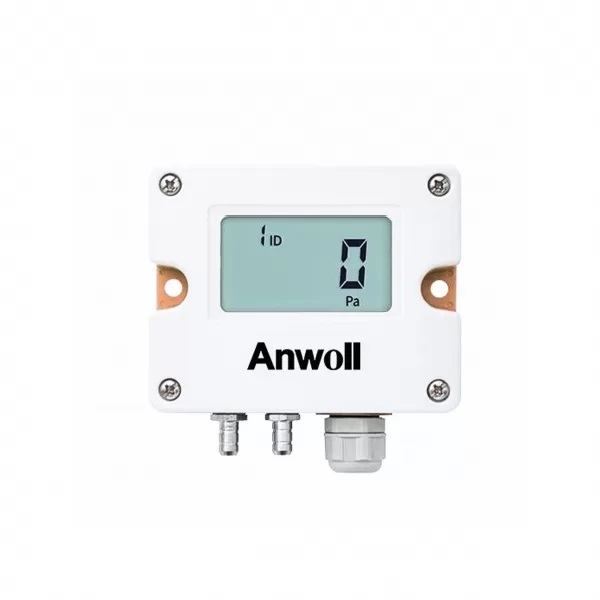
An air differential pressure transmitter is designed to detect the difference in pressure between two separate points and convert this difference into a standardized electrical output that is easy to monitor and integrate into control systems. This ability to measure delta pressure is invaluable in environments where the pressure difference rather than absolute pressure is of concern, such as confirming clean‑room conditions, verifying filter integrity in air handling units, or managing airflow in ventilation systems. By faithfully translating pressure differences into reliable signals, ANWOLL's differential transmitters contribute to precise environmental control, ensuring that automated systems maintain their set performance criteria and enabling troubleshooting or adjustments when deviations occur.
The core advantage of deploying an air differential pressure transmitter lies in its capacity to remove noise and focus on the actual pressure gap that matters for a given process. In many industrial setups, simply measuring gauge pressure at a single point does not provide enough insight into what's happening inside the system. For example, in airflow measurement across filters or ducts, the differential pressure value directly reflects whether the filter is clogging or the flow is impeded, offering a clearer picture than separate point readings could. With the transmitter calibrated to measure real differential pressure and outputting a stable signal, maintenance and control systems can react more accurately to changing conditions, enhancing both safety and performance.
Feature | Differential Pressure Transmitter | Gauge Pressure Transmitter |
Measurement Target | Pressure difference between two points | Pressure relative to atmosphere |
Best Use Case | Flow, filter monitoring, HVAC, level control | Simple pressure checks (e.g., tank pressure) |
Sensitivity to System Changes | High, detects subtle differential changes | Lower, influenced by ambient changes |
Output Use | Integrated into process control systems with real‑time signal | Often for local display or simple alerting |
Application Complexity | Suited for advanced monitoring and automation | Suited for basic monitoring needs |
This comparison highlights that an air differential pressure transmitter excels in applications where understanding the relationship between two pressure points is key for automation and system control. In contrast, traditional gauge pressure transmitters measure pressure against atmospheric baseline, which may be sufficient in simple setups but lacks the nuanced data differential transmitters supply for complex monitoring and control tasks.
Effective pressure monitoring enables operators to anticipate system performance and potential failures before they occur. When using an air differential pressure transmitter, the data reflects real differences that directly impact flow, filtration, or fluid level processes. For instance, in clean environments or critical process control systems, a rise in differential pressure across a filter may indicate the buildup of contaminants, signaling that maintenance should be scheduled before performance degrades. Similarly, in HVAC systems, tracking the differential pressure across fans or ducts helps maintain airflow efficiency and ensures that air distribution remains within design parameters. Therefore, precise differential measurement becomes more than a diagnostic tool — it becomes a vital component of robust process control and automation strategy.
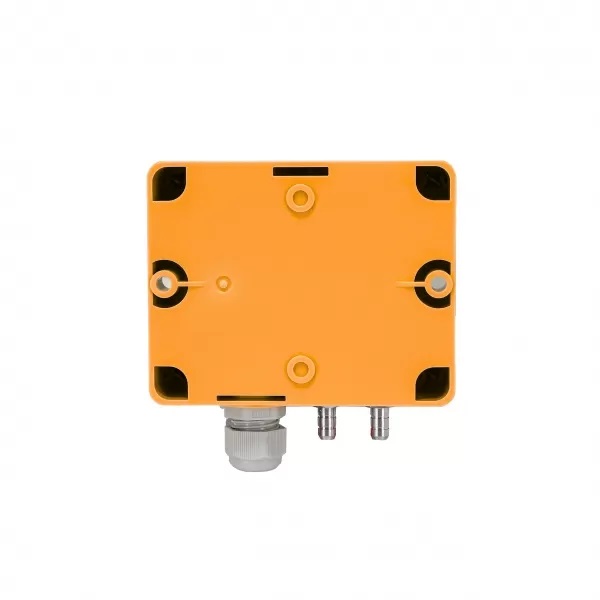
Integrating an air differential pressure transmitter into a control system provides real‑time pressure insights that can be utilized for automated adjustments. For example, transmitters can be connected with PLCs (Programmable Logic Controllers), SCADA (Supervisory Control and Data Acquisition), or building management systems to trigger alerts, control valves, or balance airflow depending on the differential pressure feedback. This integration not only enhances process responsiveness but also reduces the need for manual oversight. By proactively feeding differential pressure data into automation logic, facilities benefit from improved reliability, reduced risk of unexpected system failures, and enhanced operational transparency — all of which are essential in high‑performance industrial environments.
References