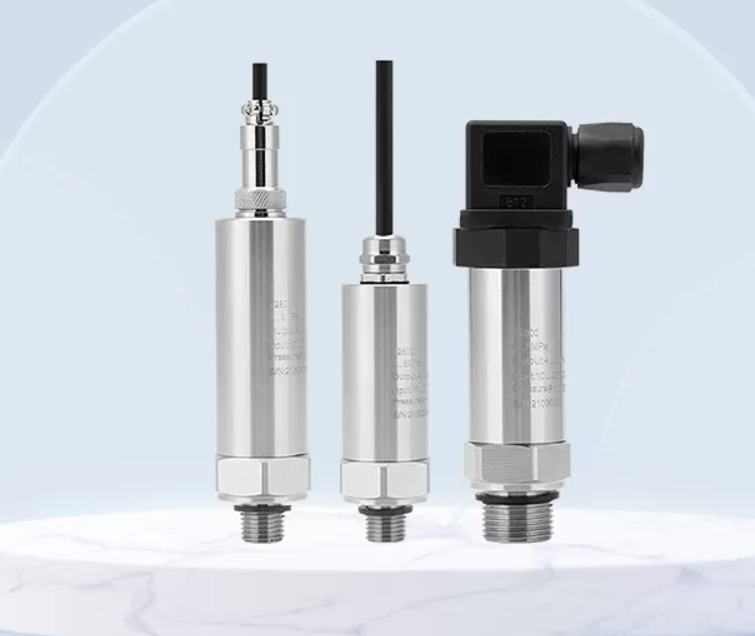
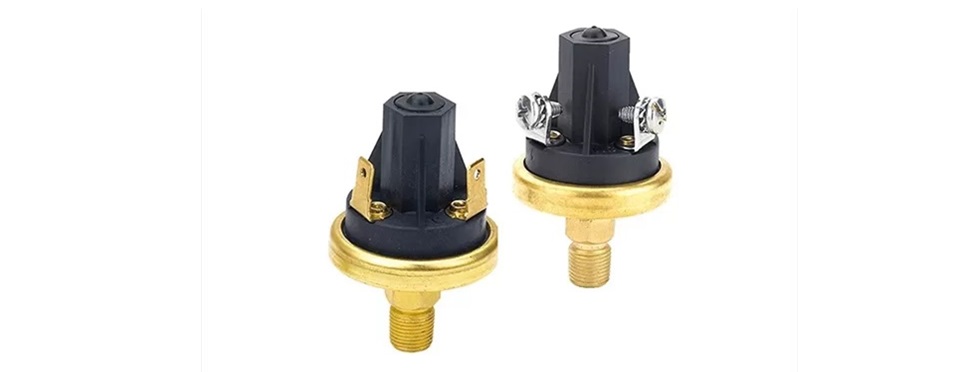
Industrial systems today require reliable, accurate, and versatile components to maintain stable operations and ensure safety. One such critical component is the adjustable pressure switch, a device widely used to monitor and control fluid pressure within a specified range.
At Anwoll, the adjustable pressure switch range offers robust solutions tailored to demanding industrial environments, ensuring precise monitoring and automatic regulation of system pressures. These switches are essential in maintaining operational efficiency and overseeing automated processes, making them an indispensable part of modern industrial systems.
An adjustable pressure switch is a type of sensor that detects changes in fluid pressure and activates or deactivates an electrical circuit once a preset threshold is reached, thus helping to control processes, trigger safety alarms, and protect equipment. Adjustable models differ from fixed set-point switches in offering configurable pressure thresholds, making them more adaptable for varying operational requirements. This flexibility allows engineers to fine-tune system responses to pressure fluctuations, ensuring that operations remain within desired parameters without frequent hardware changes. Adjustable switches are versatile and can be deployed in applications ranging from pump control to process automation. The correct pressure switch application depends on the operating range, medium, setpoint requirements, electrical load, and whether field adjustment is required.
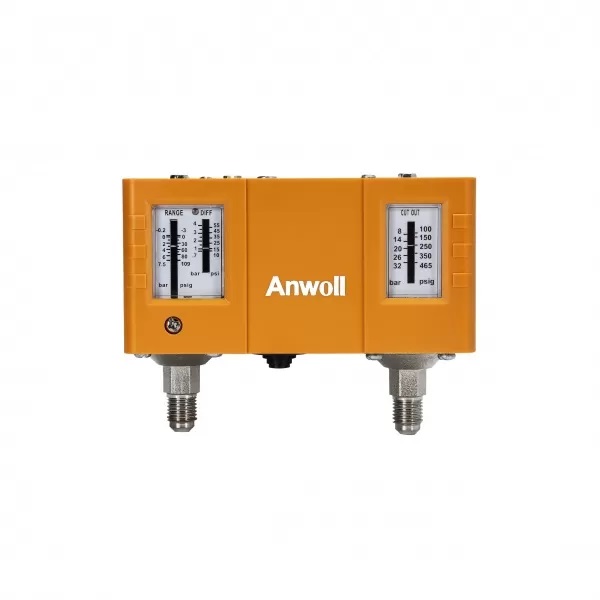
In industrial environments where precise pressure control is vital, adjustable pressure switches contribute significantly to system accuracy by ensuring that pressure set points can be modified according to real-time requirements. These switches rely on sensitive elements such as diaphragms or pistons that respond to pressure changes and mechanically actuate microswitches to input or interrupt electrical circuits. Because the switching point can be adjusted in the field, an adjustable pressure switch allows operators to optimize control systems without replacing hardware, enhancing both responsiveness and accuracy within complex industrial processes.
To understand the unique advantages of the adjustable pressure switch offered by Anwoll, it is beneficial to compare it with traditional fixed pressure switch models. Below is a comparison highlighting key performance attributes:
Feature | Adjustable Pressure Switch | Fixed Pressure Switch |
Set Point Flexibility | High – Customizable on site | Low – Fixed at factory |
Adaptability to Changing Conditions | Excellent – Adjustable for different systems | Limited – Only suitable for a single condition |
Ease of Optimization | Simple field adjustment | Requires replacement to change settings |
Suitability for Automation | Ideal for dynamic systems | Best for static systems |
System Integration | Compatible with varied industrial setups | Limited flexibility |
This table illustrates how the adjustable pressure switch offers significant operational advantages by allowing system set points to be tailored to specific conditions, making it ideal for dynamic industrial environments. Fixed pressure switches, while reliable, do not provide this level of adaptability, often necessitating replacement for different applications. The enhanced flexibility of adjustable models thus helps streamline pressure control across diverse industrial workflows.
The importance of adjustable pressure switches in modern industrial systems cannot be overstated. These devices are used across a wide range of sectors, from HVAC systems and refrigeration to hydraulic controls and process automation. Their ability to monitor pressure and provide automatic regulation ensures that complex processes run smoothly and efficiently. By setting precise thresholds, systems can automatically react to pressure changes, helping to prevent equipment damage, trigger alarms, and maintain optimal operational safety. This adaptability makes adjustable switches particularly valuable in environments where pressure conditions vary frequently or require fine-tuning for performance.
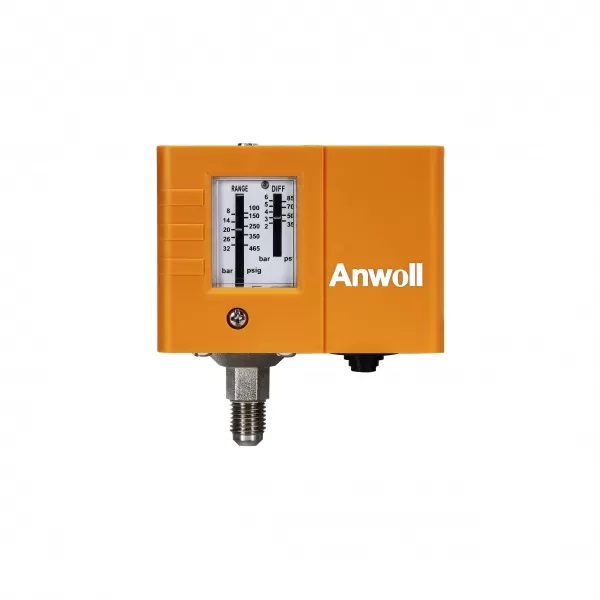
Beyond operational flexibility and precision, adjustable pressure switches are integral to safety and reliability in industrial systems. They are commonly deployed to prevent overpressure situations by interrupting electrical circuits when pressures exceed safe limits, thereby protecting sensitive equipment and processes. Their adjustable nature means that safety thresholds can be adapted to meet the requirements of specific applications, enhancing system protection. Additionally, reliable pressure monitoring through adjustable switches contributes to long-term equipment performance and reduces the likelihood of unplanned downtime, making them essential in mission-critical industrial settings.
References: