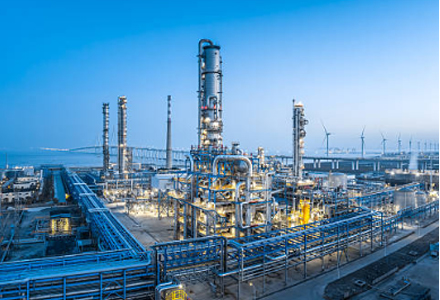
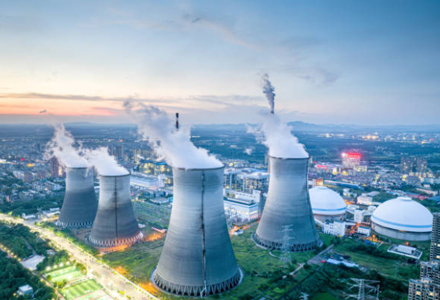
The chemical processing industry requires highly accurate measurement, reliable monitoring, and advanced automation technologies to ensure safe and efficient production. From raw material handling and chemical reactions to storage, transportation, and wastewater treatment, every stage of chemical manufacturing depends on precise control of critical process parameters.
In chemical plants, unstable pressure, temperature fluctuations, or abnormal equipment conditions can affect product quality, production efficiency, and operational safety. Therefore, advanced sensing technologies are essential for real-time monitoring and intelligent process control.
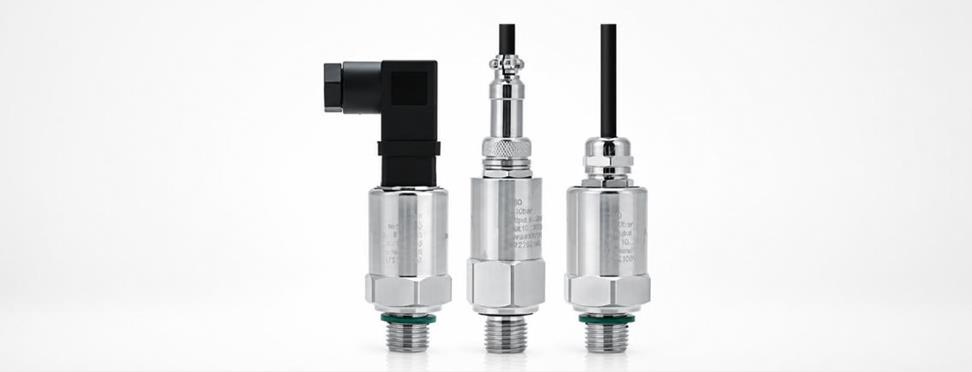
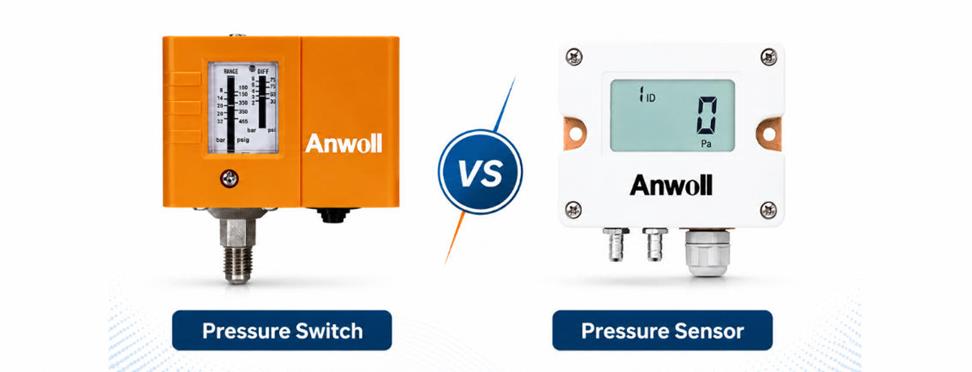
Anwoll provides professional industrial measurement solutions, including pressure transmitters, differential pressure transmitters, temperature and humidity transmitters, and flow measurement solutions. Designed for demanding industrial environments, Anwoll sensors help chemical manufacturers improve process reliability, optimize production efficiency, and achieve safer automated operations.
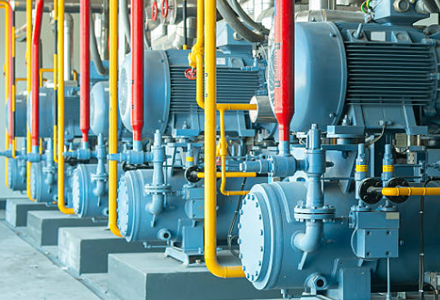
Pressure monitoring is one of the most important measurement requirements in chemical production systems. Reactors, storage tanks, pipelines, pumps, and process equipment all require accurate pressure monitoring to maintain stable operation.
In chemical reaction processes, pressure changes can directly influence reaction efficiency and product quality. Pressure transmitters are used to continuously monitor process pressure and provide real-time feedback to control systems, helping operators maintain optimal production conditions.
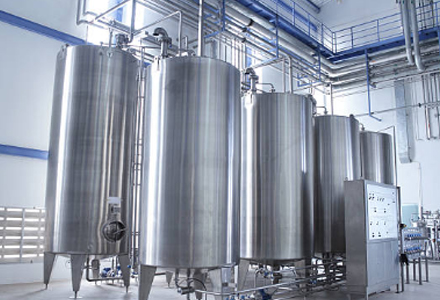
For chemical storage tanks and pipelines, pressure measurement helps monitor liquid levels, detect abnormal pressure changes, and prevent potential equipment failures. Accurate pressure data also supports preventive maintenance by identifying issues such as leakage, blockage, or pump performance degradation.
Anwoll pressure transmitters utilize advanced sensing technology to provide high accuracy, excellent stability, and reliable performance in industrial applications. With multiple output options, including 4-20mA, RS485, and HART communication, these transmitters can be easily integrated into PLC, DCS, and industrial automation systems.
Differential pressure measurement plays an important role in chemical processing, especially in filtration, purification, ventilation, and clean production environments.
In chemical filtration systems, differential pressure transmitters monitor pressure differences before and after filters. When differential pressure increases due to filter contamination or blockage, the system can provide maintenance alerts, ensuring continuous and efficient operation.
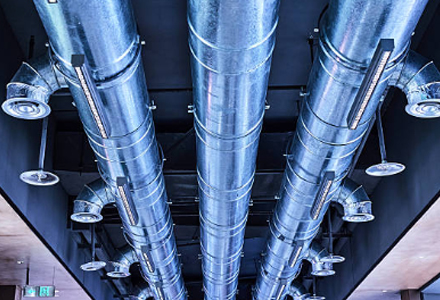
In chemical plants with strict environmental requirements, differential pressure monitoring is also widely used in ventilation systems, clean rooms, and hazardous area isolation systems. Maintaining proper air pressure differences helps control airflow direction, prevent contamination, and improve workplace safety.
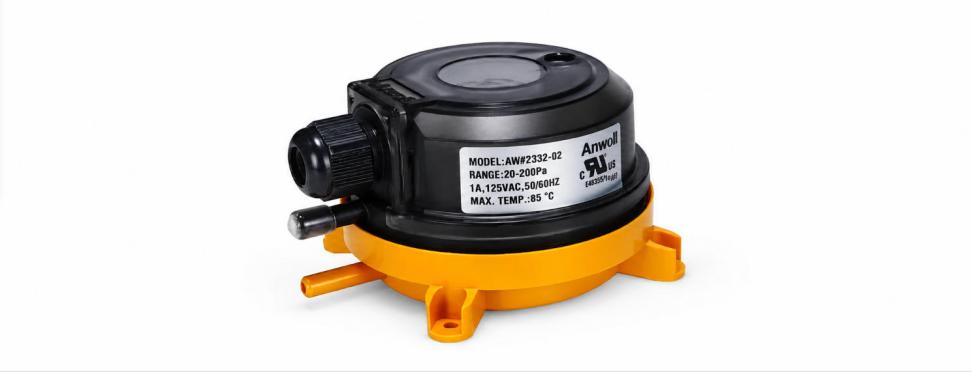
Anwoll micro differential pressure transmitters are designed for accurate measurement of low-pressure differences. They provide excellent sensitivity and stability, making them suitable for HVAC systems, laboratory environments, chemical storage areas, and industrial ventilation applications.
Environmental conditions are critical in chemical manufacturing facilities. Temperature and humidity changes may affect chemical storage conditions, equipment performance, and product stability.
Temperature and humidity transmitters are commonly used in chemical warehouses, laboratories, control rooms, and equipment rooms to monitor environmental conditions continuously.
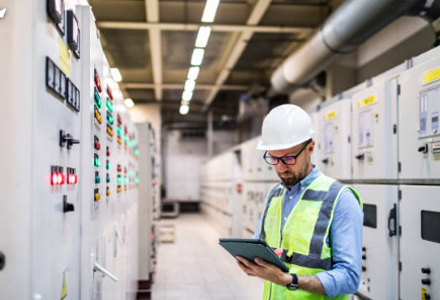
In chemical storage areas, humidity monitoring helps prevent moisture-related problems such as corrosion, material degradation, and packaging damage. In control rooms and electrical equipment spaces, environmental monitoring helps protect sensitive automation systems from excessive temperature and humidity.
Anwoll temperature and humidity transmitters provide accurate environmental measurement with reliable long-term operation. Available in different installation configurations, including wall-mounted, duct-mounted, and remote probe versions, these products can meet the requirements of various chemical industry environments.
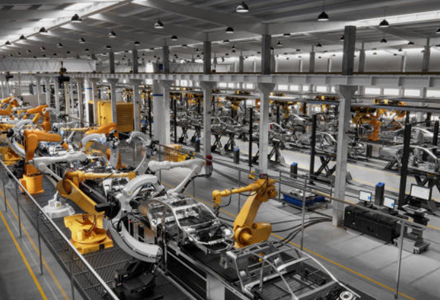
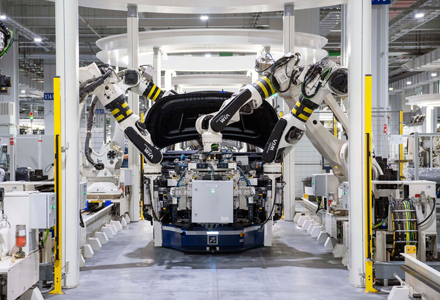
Modern chemical processing plants increasingly rely on automation technologies to improve production efficiency and enhance safety management. Accurate sensor data is the foundation of intelligent process control.
By integrating pressure transmitters, differential pressure sensors, temperature and humidity transmitters, and flow measurement devices, chemical manufacturers can achieve comprehensive monitoring of production processes.
Sensor data can be transmitted to centralized control systems, allowing operators to monitor equipment status, optimize production parameters, and respond quickly to abnormal conditions. This reduces downtime, improves energy efficiency, and supports safer industrial operations.
For automated chemical production lines, reliable sensors also contribute to predictive maintenance strategies. Continuous monitoring of pressure and environmental parameters allows companies to identify potential equipment problems before failures occur.
As the chemical industry continues to move toward higher automation, digitalization, and intelligent manufacturing, reliable measurement technology becomes increasingly important.
Anwoll is committed to providing high-quality industrial sensing solutions for global chemical processing applications. Our pressure transmitters, differential pressure transmitters, temperature and humidity sensors, and flow measurement products deliver accurate, stable, and dependable performance in demanding industrial environments.
From chemical plants and storage facilities to laboratories and automated production systems, Anwoll helps customers improve process control, enhance operational safety, and achieve more efficient industrial management.
With advanced sensor technology and strong application experience, Anwoll supports the chemical industry in building smarter, safer, and more sustainable production systems.