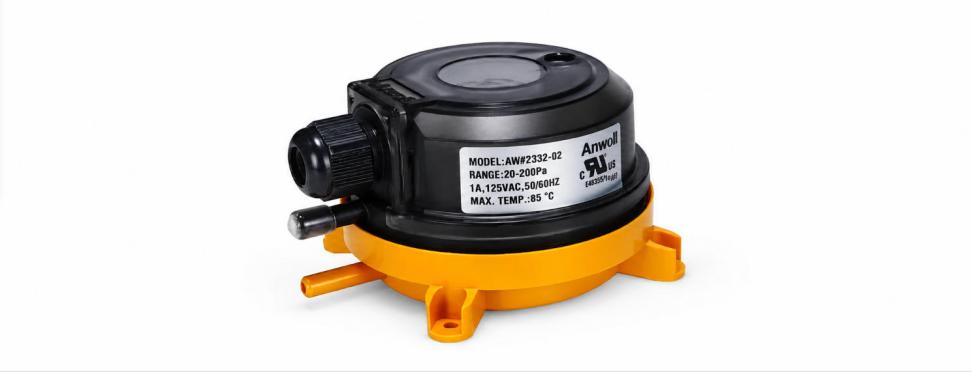
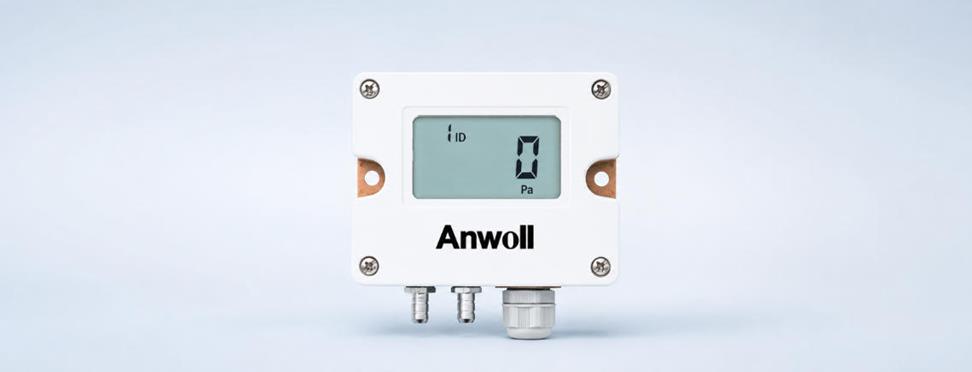
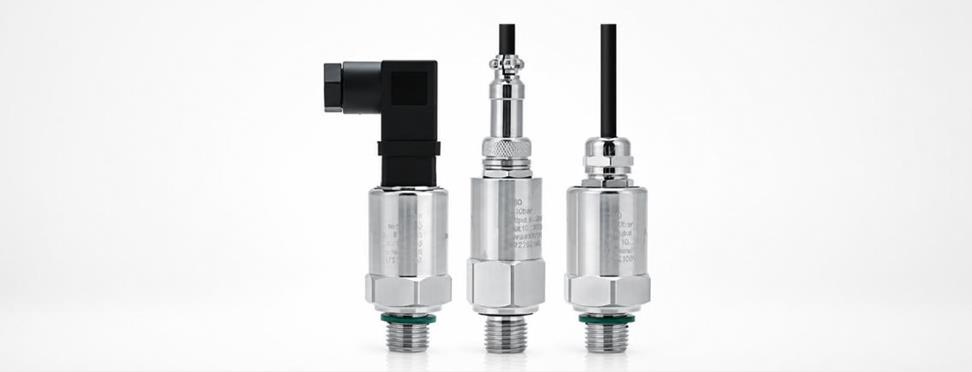
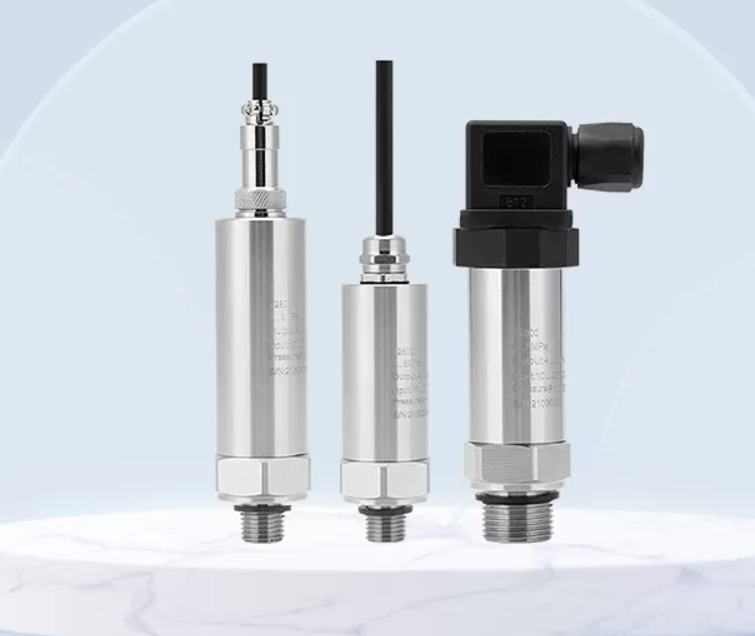
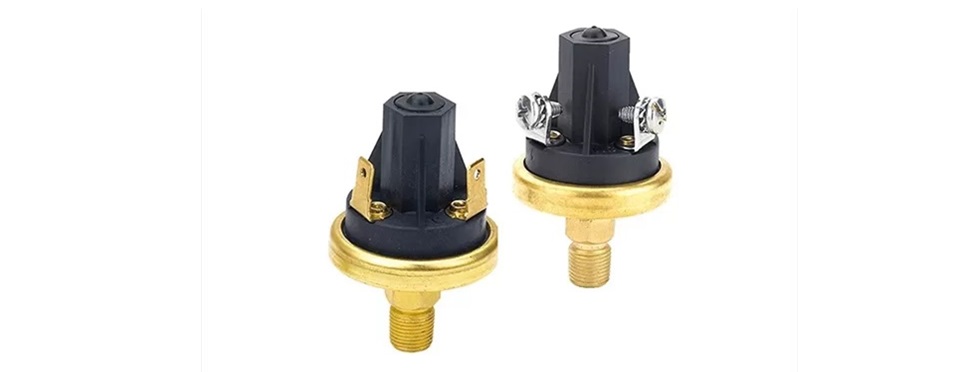
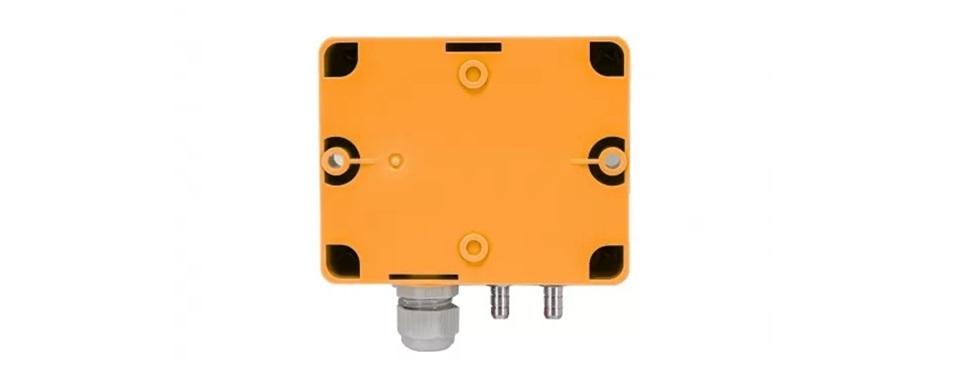
The difference between pressure switch and pressure sensor is mainly in what each device does with pressure information. A pressure switch changes an electrical contact when pressure reaches a preset threshold, while a pressure sensor measures pressure and produces a signal that represents the actual pressure value.
This distinction affects system design. A switch is ideal when equipment only needs a simple action such as start, stop or alarm. A sensor is more appropriate when a controller needs continuous pressure data for monitoring, trending or closed-loop control.
Both devices are widely used in HVAC, refrigeration, pumps, compressors, hydraulics and industrial automation, but they should not be treated as interchangeable components.
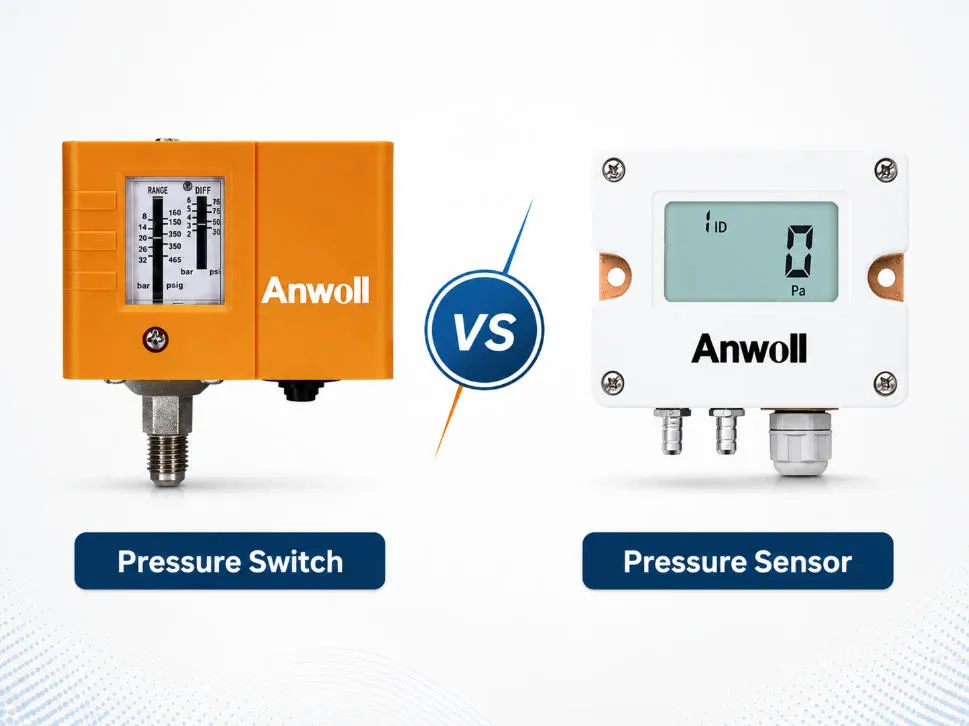
The difference between pressure switch and pressure sensor is that a switch gives a discrete threshold output, while a sensor provides continuous pressure information.
The pressure switch typically contains a diaphragm, piston or similar sensing element connected to an electrical switching mechanism. When pressure reaches its setpoint, the contacts change state. Once pressure moves past the reset point, the switch returns to its original state.
The pressure sensor converts pressure into an electrical quantity that varies with the measured value. Depending on the complete device, that information may later be conditioned into voltage, current or digital output for a PLC, BMS or controller.
Pressure itself is force per unit area. Under the NIST SI definition of pressure, 1 pascal equals 1 newton per square meter (1 Pa = 1 N/m²).
| Feature | Pressure Switch | Pressure Sensor |
|---|---|---|
| Output | ON/OFF contact | Continuous measurement |
| Main purpose | Control or protection | Monitoring and feedback |
| Setpoint | Built into switch operation | Usually set in controller/software |
| Typical integration | Relay, motor, alarm | PLC, BMS, display, controller |
| Best for | Simple threshold action | Precise pressure tracking |
| Data history | Usually unavailable | Can support trending |
The practical difference between pressure switch and pressure sensor is therefore not simply mechanical versus electronic—it is decision output versus measurement output.
Pressure switches detect whether a threshold has been reached, whereas pressure sensors convert pressure into a measurable signal proportional to the actual value.
Inside a pressure switch, applied pressure moves a sensing element against a spring or calibrated mechanism. At the setpoint, the mechanism actuates electrical contacts. A switch may be normally open, normally closed or SPDT depending on the circuit.
For example, ANWOLL's SPS11 switch lists a pressure-setting range from 0.02 MPa to 6.5 MPa and a published mechanical life of up to 100,000 switching cycles, illustrating the type of parameters engineers review for threshold control.
Automatic electrical pressure-sensing controls are covered by standards such as IEC 60730-2-6, which addresses construction, operating values and testing requirements for applicable pressure controls.
A pressure sensor works differently. Pressure deforms a sensing element, producing a change in resistance, capacitance or another electrical property. Signal-conditioning electronics then convert that change into useful measurement data.
In industrial systems, sensors are often integrated into pressure transmitters that provide standardized signals such as 4–20 mA. IEC 62828-2 pressure transmitter testing procedures specifically address performance testing of industrial pressure process measurement transmitters.
This explains why a sensor can tell a controller that pressure is changing gradually, while a switch normally communicates only whether a predefined condition has been reached.
Choosing between a pressure switch and pressure sensor depends on whether the system needs a direct switching action or continuous pressure data.
Before selecting a device, consider:
Control requirement: Use a switch when pressure only needs to trigger start, stop, alarm or safety action.
Measurement requirement: Use a sensor when operators or controllers need the actual pressure value.
System architecture: A simple compressor may only need switching contacts, while an automated process may need continuous feedback to a PLC.
Accuracy and diagnostics: Sensors are generally more appropriate when trends, remote monitoring or fault diagnosis are required.
Electrical interface: Confirm whether the controller expects relay contacts, voltage, current or digital communication.
For example, an air compressor can use a switch to stop the motor at the cut-out pressure. An HVAC system with variable-speed control may instead need pressure data continuously so fan or pump speed can be adjusted.
A differential pressure switch follows the same threshold-control concept but reacts to the difference between two pressure points rather than one pressure reference.
In some systems, both devices are appropriate. A pressure sensor may provide normal operating data while an independent pressure switch acts as a safety interlock. This separation can provide continuous control together with a dedicated hardware protection function.
ANWOLL develops both measurement and switching products for industrial and HVAC pressure control, so its product range illustrates an important procurement point: selection should begin with the required system function, not with the device name alone.
The difference between pressure switch and pressure sensor comes down to how pressure information is used. A pressure switch changes contact state when a defined threshold is reached, making it suitable for alarms, interlocks and direct equipment control. A pressure sensor provides continuous measurement data for monitoring, automation and closed-loop regulation.
If the application only needs to know whether pressure is above or below a limit, a switch is usually sufficient. If the system needs to know the actual pressure and how it changes over time, a sensor is generally the better choice.
Not exactly. Both detect pressure, but a switch produces a threshold-based contact output rather than continuous measurement data.
Sometimes, if a controller can use the sensor signal to create a software setpoint. Safety functions may still require a separate hardware switch.
It typically provides normally open, normally closed or SPDT electrical contacts.
Depending on the device, outputs can include voltage, current or digital measurement signals.
Simple compressor control commonly uses a pressure switch because it directly controls cut-in and cut-out pressure.
Yes. A sensor can provide continuous monitoring while a switch provides independent alarm or protection control