In industrial automation, pump control, HVAC, hydraulics, pneumatics, and water treatment systems, pressure sensors are core components for pressure monitoring, control, and protection. Based on operating principles, construction, output signals, and application scenarios, pressure sensors can be divided into several common types. Each type offers distinct advantages in accuracy, response speed, media compatibility, and operating conditions to meet the control requirements of different equipment.
Piezoresistive Pressure Sensors
These sensors use the piezoresistive effect of semiconductor or metallic materials, where resistance changes under pressure, converting the pressure signal into an electrical signal. They offer high accuracy, small size, and fast response, and are widely used in general industrial equipment, pneumatic systems, and modern measurement and control devices.
These sensors detect pressure by measuring capacitance changes caused by diaphragm deflection that alters the distance between capacitor plates. They feature good stability and low temperature drift, making them suitable for high-precision measurements, differential pressure detection, and certain harsh operating conditions.
Thin‑Film / Thick‑Film Pressure Sensors
These sensors use thin‑film sensing elements and offer excellent impact and vibration resistance, high reliability, and moderate cost. They are commonly used in hydraulic systems, compressors, pump control, and other industrial applications.
Using an elastic diaphragm as the core sensing element, these sensors are simple in construction and highly durable. They are used both in measurement sensors and in pressure switches and differential pressure switches – a classic structure for industrial pressure control.
Pressure Switch
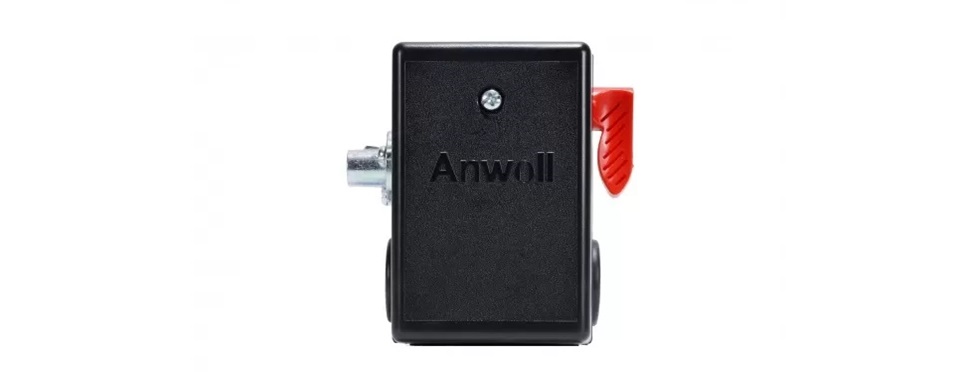
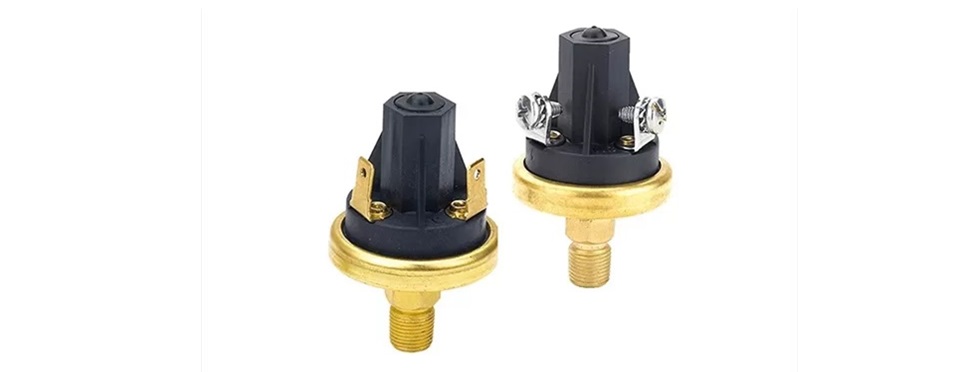
A switching‑type pressure sensor that triggers an electrical circuit on/off when a set pressure is reached, enabling automatic control or alarming. Common variants include adjustable pressure switches, automatic pressure switches, and compact pressure switches. They are widely used for pump start/stop, overload protection, and pipeline safety control.
Pressure Transmitter
Outputs a standard analog signal (e.g., 4–20 mA) or digital signal for continuous real‑time pressure monitoring. They offer high stability and are suitable for remote display, system integration, and automated control scenarios.
Differential Pressure Sensor / adjustable differential pressure switch
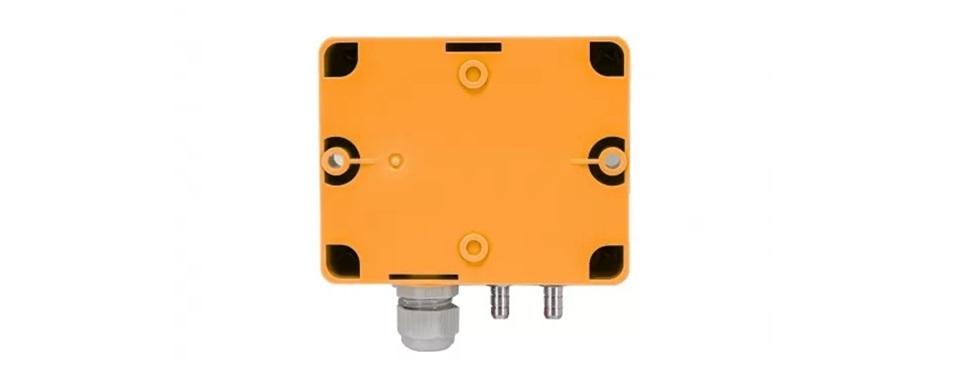
Specifically measures the pressure difference between two points. Commonly used for level measurement, filter blockage monitoring, duct static pressure detection, and water treatment / chilled water systems.
Digital Pressure Sensor
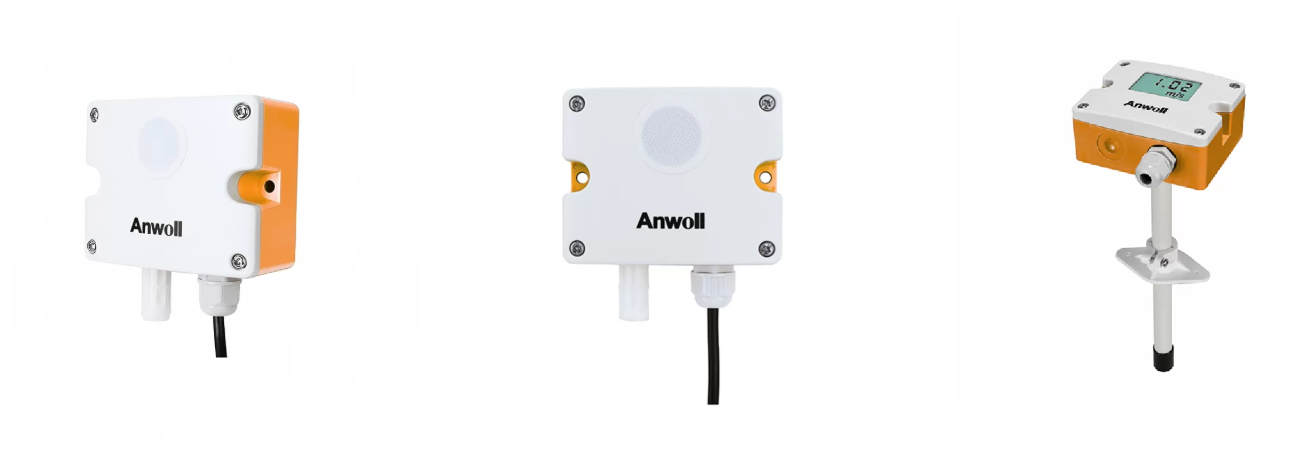
Integrates a digital display for direct on‑site pressure reading and easy configuration. Ideal for equipment requiring local observation and adjustment.
| Category | Typical Applications | Key Characteristics |
|---|---|---|
| Pneumatic Pressure Sensor | HVAC, ventilation systems, air compressors, cleanroom pressure monitoring | Designed for air, inert gases, and other gaseous media |
| Water Pressure Sensor / Water Pressure Transmitter | Water pumps, water supply pipelines, water treatment equipment, fire protection systems | Suitable for water media, with adequate water resistance and corrosion protection |
| Low Differential Pressure / High Pressure / High Temperature Pressure Sensors | Low differential: precision measurement of small pressure changes; High temperature: metallurgy, chemical, and other high‑temperature processes; Explosion‑proof: oil & gas, chemical, and other hazardous environments | Tailored for specific extreme conditions (low differential, high temp, explosive atmospheres) |
When selecting a pressure sensor, consider the following:
Measured media – gas, water, oil, corrosive liquids
Pressure range
Accuracy requirement
Operating temperature
Mounting method
Output signal type
Special features – explosion‑proof, digital display, adjustable setpoint, etc.
Properly matching the sensor type ensures measurement accuracy, improves equipment reliability, and extends service life.
As a pressure switch and pressure transmitter manufacturer, we offer a broad range of pressure control products for diverse scenarios, including:
Compact pressure switches
Adjustable pressure switches
Digital differential pressure transmitters
Explosion‑proof differential pressure transmitters
Water‑specific / air‑specific pressure transmitters
High‑temperature pressure sensors
Our products support stable operation in industrial automation, pumping systems, HVAC, water treatment, and more. Customized solutions are also available to meet specific customer requirements.