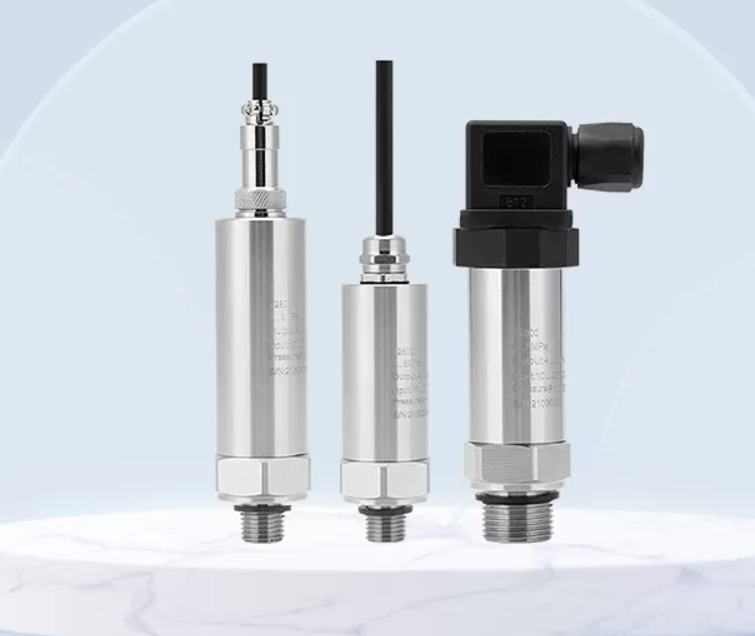
In modern automation systems, the ability to monitor and manage fluid pressures precisely is a fundamental requirement for safety, reliability, and performance. A small pressure switch is a compact yet powerful device that performs this essential function by sensing pressure changes and triggering control actions in response, making it a key component in automatic systems.
The small pressure switches offered by ANWOLL are engineered to provide reliable pressure detection and accurate signal output for a wide range of applications, improving system control in environments where space is limited but performance demands are high.
The small pressure switch from ANWOLL operates by continuously monitoring the pressure within a system and activating or deactivating an electrical contact when a preset trigger point is reached, thereby facilitating automatic control of connected devices such as pumps, compressors, or alarms. These switches house a diaphragm or piston that reacts to pressure variations; as fluid pressure rises to the defined threshold, the internal mechanism moves and changes the state of a microswitch to send control signals to the system. The compact design of ANWOLL's small pressure switches makes them particularly suitable in applications where installation space is limited but precise pressure monitoring and quick signal response are crucial, such as compact machinery, HVAC controls, or fluid handling equipment.
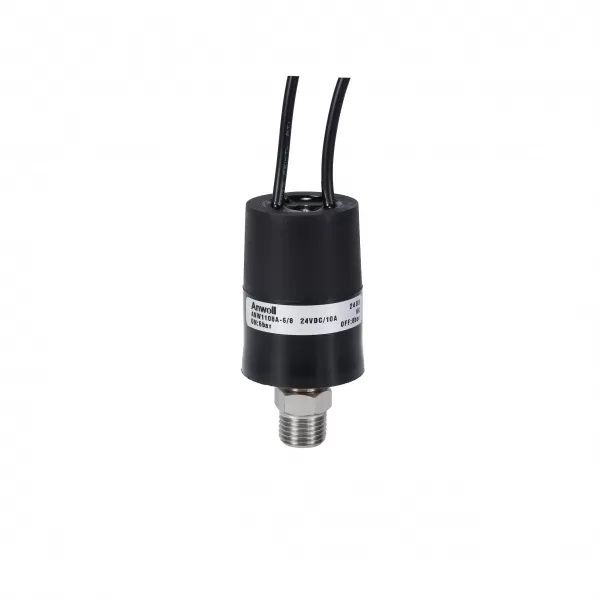
In automated process control, maintaining consistent system pressure is a central task, and the small pressure switch plays a vital role in achieving this. When integrated into a control loop, these switches ensure that equipment operates within predefined pressure limits, preventing unsafe conditions and enabling automated feedback responses. For example, a small pressure switch can automatically start a pump when pressure drops below a set point or shut off equipment when pressure exceeds a safe level, streamlining operations and reducing the need for manual intervention. The sensitivity and responsive design of ANWOLL's small pressure switches support accurate pressure regulation, contributing to improved process reliability across various industrial settings.
In comparing the small pressure switch to more traditional or larger industrial pressure switches, several distinctions emerge that highlight its suitability for space‑sensitive automation applications. The table below illustrates these differences based on typical characteristics:
Feature | Small Pressure Switch | Traditional Pressure Switch |
Size and Form Factor | Compact, space‑saving | Larger footprint |
Application Flexibility | High adaptability in tight spaces | Best suited for open machine rooms |
Installation Ease | Simplified mounting in constrained locations | Requires more clearance |
Response Sensitivity | Designed for precise switch points | May provide broader control range |
Ideal Use Cases | Small automation systems, tight installations | General industrial automation |
This comparison underscores the small pressure switch as an ideal choice for applications where compact design and responsive pressure control are required, while traditional switches may be better suited for systems with ample installation space and broader pressure ranges.
Safety is a critical consideration in any automated environment, and the small pressure switch significantly contributes to system protection by detecting abnormal pressure conditions and initiating corrective actions. When pressure levels exceed or fall below predetermined set points, these switches can send control signals that halt machinery, trigger alarms, or engage backup systems, thereby reducing the risk of equipment damage and protecting operators. ANWOLL's small pressure switches are built for reliable performance, offering precise pressure detection that ensures automated systems remain responsive to changes, helping to maintain operational safety without the need for constant supervision.
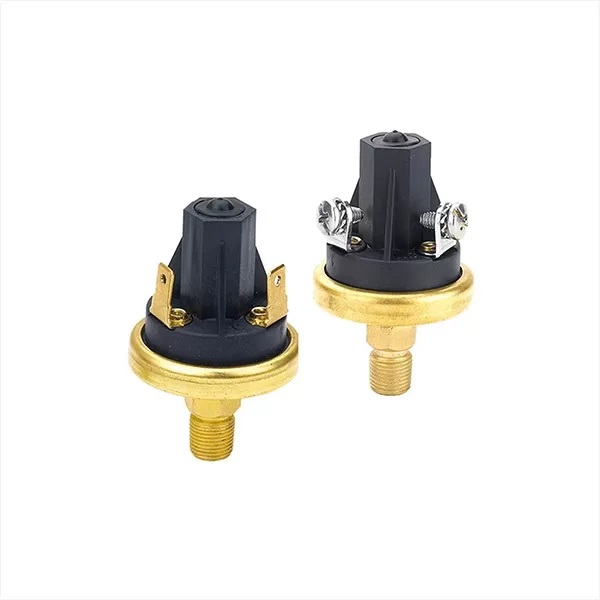
The versatility of the small pressure switch extends to a wide range of automated applications where accurate pressure control is mandatory. These switches are suitable for use in compressed air systems, fluid transfer lines, refrigeration units, and other industrial configurations that demand reliable automatic pressure detection. Their compact size makes them easy to integrate into existing systems or new designs where installation space is at a premium. By providing clear control signals based on pressure levels, small pressure switches help optimize system performance, reduce downtime caused by pressure anomalies, and support seamless automation across manufacturing, HVAC, and other process‑oriented environments.
References: