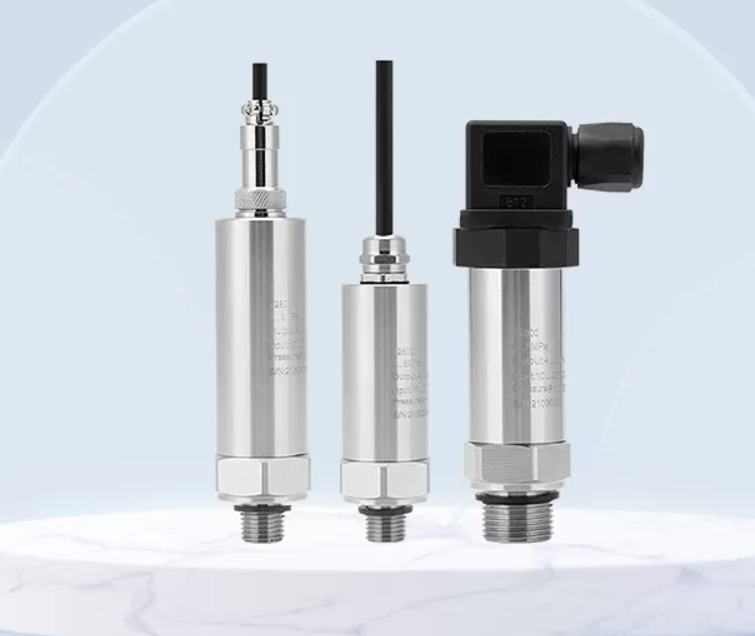
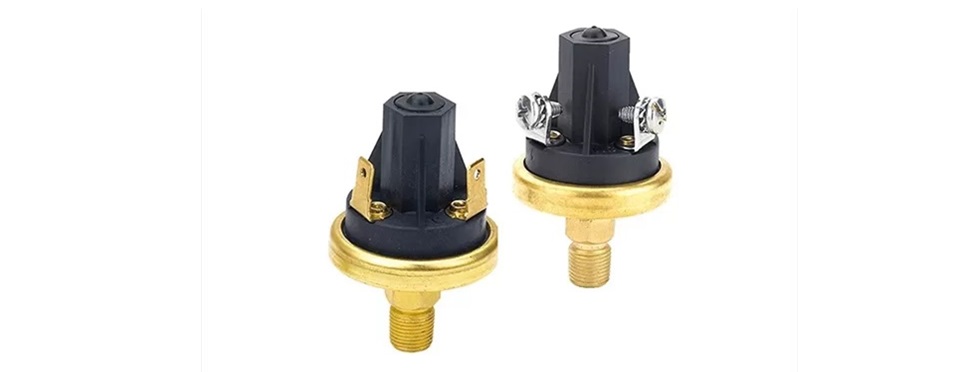
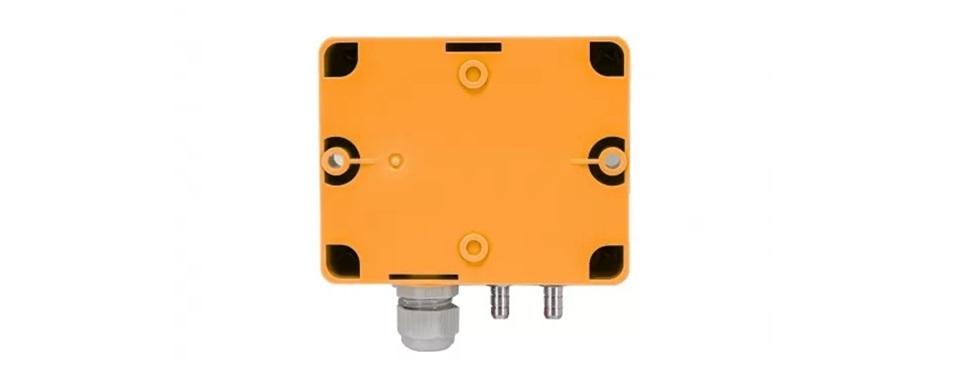
In automated air compression systems, controlling and maintaining the correct air pressure within a compressor tank is essential for operational efficiency, safety, and long‑term reliability.
The pressure control air compressor solution provided by ANWOLL centers on the CPS23 Air Compressor Pressure Switch, a versatile and robust device designed to manage pressure levels automatically between two preset values. This product regulates the compressor's cut‑in and cut‑out points and prevents overloading by integrating an unloader valve, contributing to stable pneumatic system performance. With its thoughtful design including four‑way base connections for additional components and a manual power‑off handle, this pressure switch exemplifies how precise pressure management enhances the performance of air compressors in industrial environments.
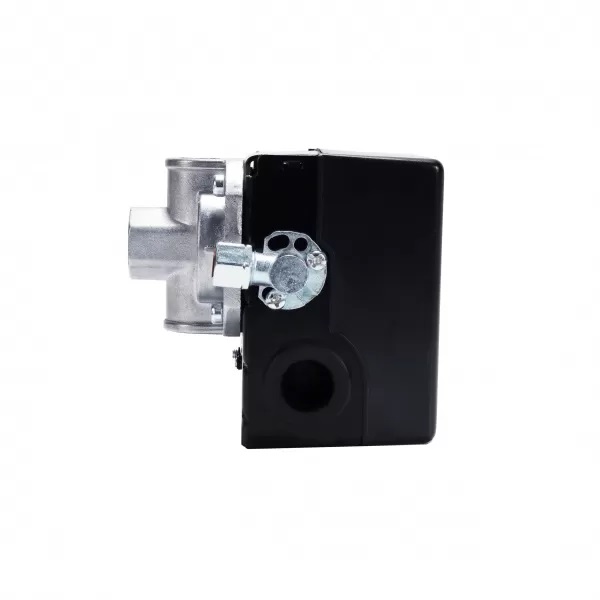
The air compressor pressure switch such as the CPS23 functions as a critical pressure control device that continuously monitors tank pressure and switches the compressor motor on and off according to defined thresholds, ensuring the system operates within desired pressure limits. When the air pressure in the compressor falls below a predefined cut‑in value, the switch closes an electrical circuit to activate the motor; once the pressure reaches the cut‑out set point, it opens the circuit to stop the motor. This automated pressure control process provides consistent output pressure, stabilizes system performance, and prevents excessive cycling that can reduce equipment life. The design includes options for a relief valve to avoid overload starting, and the base offers multiple ports for integrating safety devices like pressure gauges and valves, further enhancing the control capabilities of the system. A common application of pressure switch technology is to start or stop an air compressor automatically according to the preset cut-in and cut-out pressures.
A key feature that elevates this air compressor pressure switch adjustable differential is the ability to fine‑tune the gap between the cut‑in and cut‑out pressures, known as the differential, allowing operators to optimize compressor performance for specific applications. An adjustable differential enables a broader or narrower pressure band depending on system requirements, helping to minimize short cycling and maintain steady air delivery — crucial for industrial processes that demand consistent pneumatic power. In many air compressor control switches, the differential affects how quickly the compressor responds to pressure changes, and having the ability to adjust it ensures that the air compressor reacts appropriately to varying load demands and operational conditions.
Ensuring safety in compressed air systems is as important as maintaining efficiency, and the air compressor pressure switch plays a central role in preventing unsafe pressure conditions. By automatically stopping the compressor when the pressure reaches the set cut‑out point and protecting against overpressure scenarios with an optional relief valve function, this switch mitigates the risk of tank rupture or system failure. Stable pressure management also contributes to overall system reliability, reducing the likelihood of sudden stops or damage to ancillary equipment. The inclusion of a manual handle for immediate shut‑off further reinforces safety, granting operators direct control when needed.
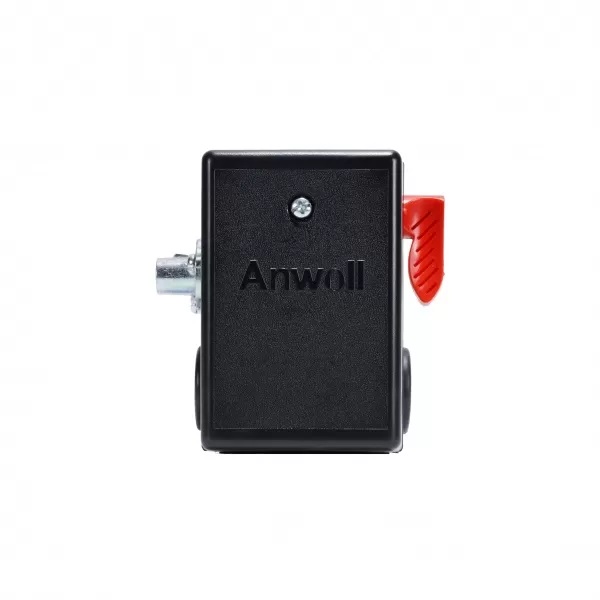
Integrating an air compressor pressure switch adjustable differential as part of the pressure control strategy supports consistent air delivery, which is critical in automated operations such as pneumatic tooling, manufacturing processes, and HVAC systems. By maintaining the compressor's operation within the ideal pressure band, energy usage is optimized, and mechanical stress on the compressor motor is reduced. Consistent pressure control contributes to longer equipment life and smoother system performance, which is especially important in applications requiring uninterrupted compressed air supply. With the CPS23 model's features, including multiple connection options and configurable pressure ranges, system designers have the flexibility to tailor control strategies to specific operational needs, ensuring that the compressor responds effectively to dynamic pressure demands.
References